Pigmentation is one of the most common concerns dermatologists in Delhi see, driven in large part by sun exposure, pollution, and — for many patients — hormonal factors that make certain pigmentation more stubborn than others. It’s also one of the concerns where patients are most likely to have tried multiple pigmentation treatments without lasting success, usually because the treatment didn’t match the type of pigmentation involved. Here’s a practical comparison of the three most commonly recommended options.
First, Understanding What Kind of Pigmentation You Have
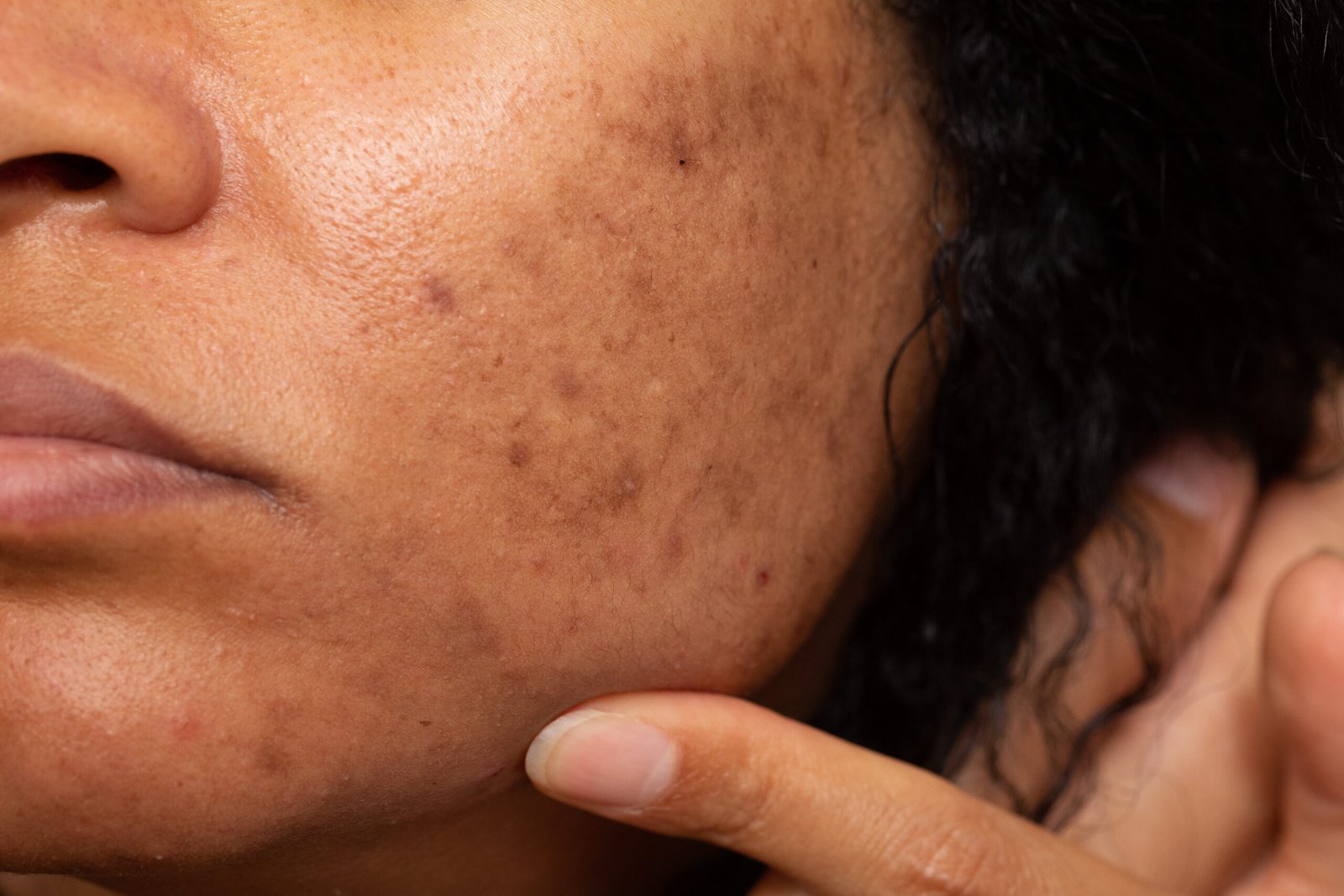
Before comparing treatments, it helps to know that pigmentation isn’t one condition — it’s a category:
Sun-Induced Pigmentation (Sunspots, Tanning)
Caused by UV exposure triggering excess melanin production. Generally the most responsive to treatment since it sits closer to the surface.
Melasma
A hormonally-influenced condition that often appears as symmetrical patches on the cheeks and forehead. Notoriously resistant to aggressive treatments, which can sometimes worsen it — melasma usually needs a gentler, more patient approach.
Post-Inflammatory Hyperpigmentation
Dark marks left behind after acne, injury, or skin irritation. Usually fades with time but can be sped up with the right treatment.
Chemical Peels
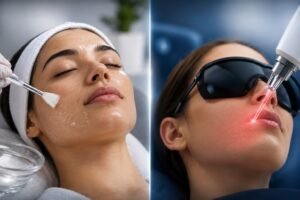
Chemical peels use acids (glycolic, salicylic, or trichloroacetic, depending on strength needed) to remove the outer, pigmented layer of skin and encourage fresh cell turnover underneath.
Best for: Sun-induced pigmentation and post-inflammatory marks, especially when combined with a consistent at-home skincare routine.
Caution: Stronger peels can trigger rebound pigmentation, particularly in melasma-prone or darker skin tones, if not calibrated correctly. This is where dermatologist oversight — rather than a generic spa peel — matters significantly.
Microneedling
Microneedling creates controlled micro-injuries in the skin using fine needles, which stimulates collagen production and can help pigmented cells turn over faster. When combined with topical brightening serums applied immediately after (since micro-channels temporarily increase absorption), it can enhance pigmentation-specific results.
Best for: Mild to moderate pigmentation combined with textural concerns, since it works on both fronts simultaneously.
Caution: Less targeted than laser for deep, well-defined pigmentation, and generally needs more sessions to show comparable results.
Laser Treatment
Laser treatments (such as Q-switched lasers) target melanin directly, breaking down pigment clusters that the body then clears naturally. This tends to be the most precise option for well-defined pigmentation.
Best for: Sun-induced spots and certain types of post-inflammatory marks where pigment sits at a specific depth.
Caution: Melasma treated with the wrong laser settings can worsen rather than improve — this is one of the more common mistakes in pigmentation treatment, and a key reason melasma patients should be assessed carefully before laser is recommended.
Which One Actually Wins?
There isn’t a single winner — the right choice depends entirely on which type of pigmentation you have:
- Choose a chemical peel if: your pigmentation is sun-related or post-acne, and you’re comfortable with a gradual, multi-session approach paired with home care.
- Choose microneedling if: you have combined concerns — mild pigmentation plus texture or early scarring — and want one treatment addressing both.
- Choose laser if: your pigmentation is well-defined and sun-induced, and you want the most targeted, precise option — but only after a dermatologist has ruled out melasma or confirmed appropriate settings.
In many cases, particularly for melasma, the most effective approach actually combines gentle topical treatment with a carefully sequenced peel or laser protocol rather than relying on one method alone.
Why Delhi’s Climate Makes This More Complicated
Delhi’s combination of high UV exposure for much of the year and significant pollution creates a specific challenge: even well-treated pigmentation can be re-triggered relatively quickly without consistent sun protection and antioxidant-rich skincare. This is a detail dermatologists in the city emphasize more than clinics in less UV-intensive climates might.
How Dr. Neha Khuraana Approaches Pigmentation Cases
At House of Aesthetics, pigmentation consultations start with identifying the specific type present — since melasma, sun damage, and post-inflammatory marks are frequently confused with each other by patients, and sometimes even mistreated as a result. As the best dermatologist in Delhi for pigmentation cases involving multiple contributing factors, Dr. Khuraana’s approach typically involves a staged plan: starting conservatively, monitoring how skin responds, and adjusting intensity only if needed — rather than defaulting to the most aggressive option first.
Finding the Right Clinic in South Delhi
Because pigmentation treatment often unfolds over months and requires adjusting course based on how skin responds, continuity with the same dermatologist matters considerably. House of Aesthetics, located in South Delhi and accessible from Greater Kailash I and II, structures pigmentation treatment plans around ongoing assessment rather than a single fixed protocol decided at the first visit.
Related Reading
- Best Dermatologist in Greater Kailash: Dr. Neha Khuraana’s Credentials & Approach
- Acne Scar Treatment in Delhi
- HydraFacial in Delhi: Complete Guide
The Bottom Line
Pigmentation treatment isn’t about finding the single “best” technology — it’s about matching the right tool to your specific type of pigmentation, ideally under dermatologist supervision that can adjust the plan as your skin responds. If you’re unsure which category your pigmentation falls into, House of Aesthetics offers consultations with Dr. Neha Khuraana to identify that before recommending any treatment.