Skin boosters are among the most searched injectable treatments in Delhi, and also among the most confusing. Profhilo, PDRN and Rejuran are often mentioned in the same breath, yet they work differently and suit different skin concerns. This overview explains what each one does, how they compare, and how to decide, with guidance from the dermatology team at House of Aesthetics in Greater Kailash.
What Is a Skin Booster?
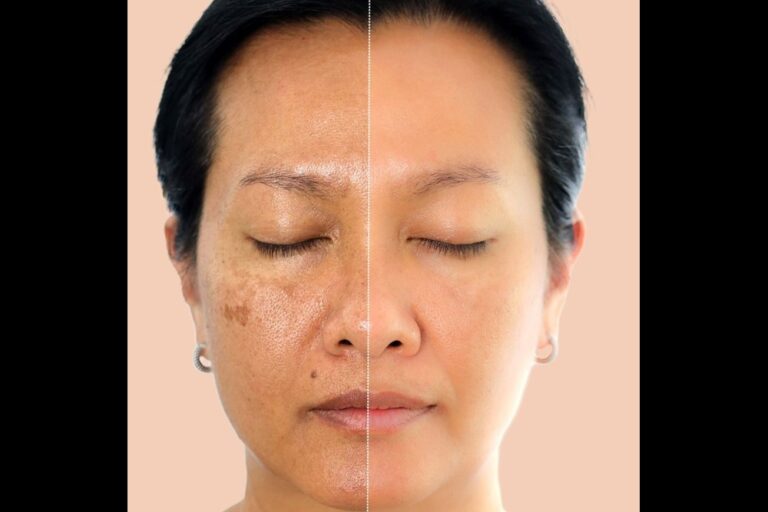
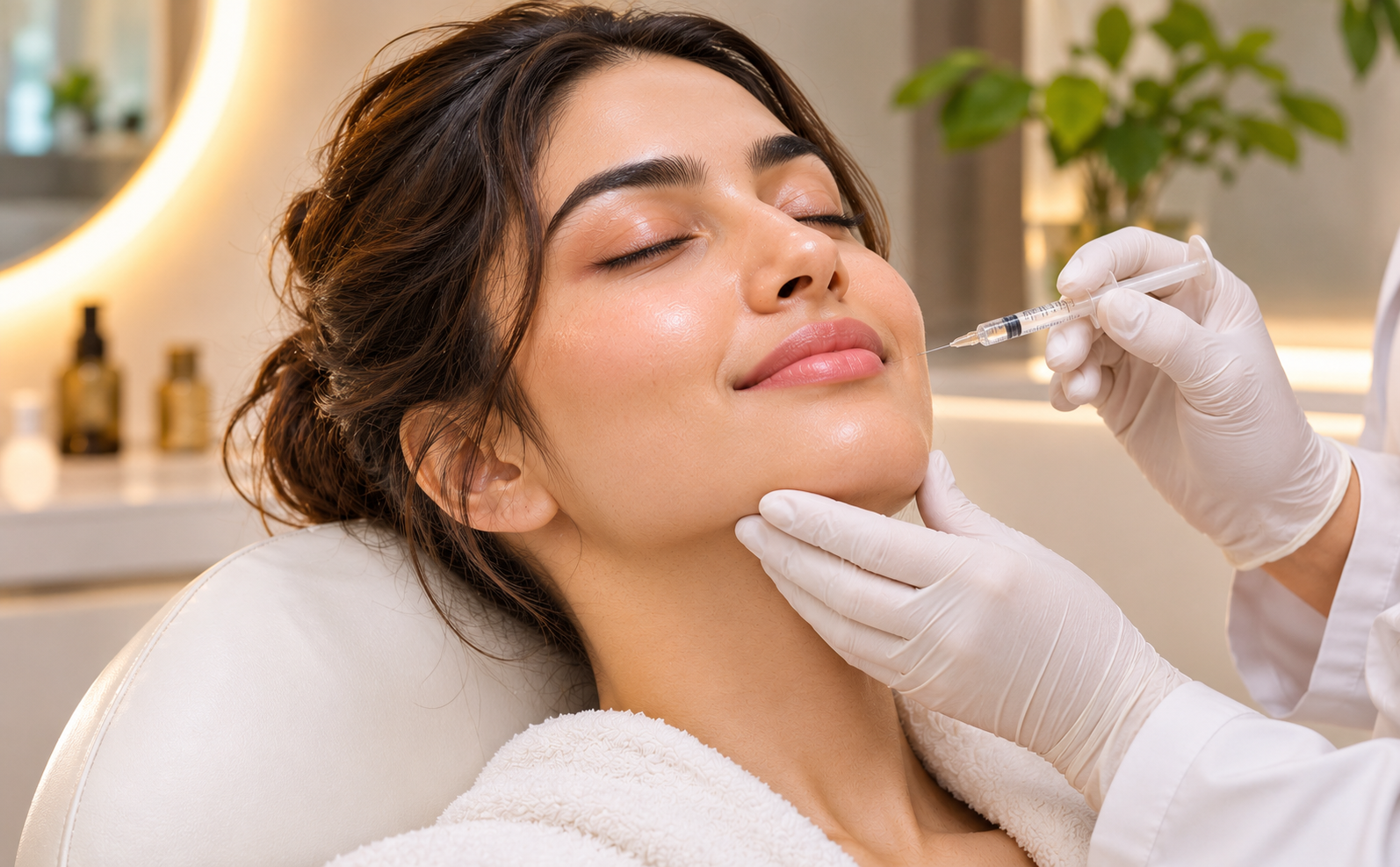
A skin booster is a micro-injected treatment that improves the quality of the skin itself, rather than adding volume the way a filler does. The aim is better hydration, smoother texture and a healthier, more even surface. That is why boosters are often described as treatments for skin quality, and why they appeal to people who want a natural, fresh look rather than visible change in facial shape.
If you are unsure how this differs from filler, our guide to dermal fillers: types, uses and how long they last is a useful companion read, and the dermal filler treatment page covers volume-based options.
The Three Skin Boosters Compared
Profhilo
Profhilo is a hyaluronic acid based injectable designed to spread through the tissue and improve hydration and skin firmness. It is usually given as a short course of sessions spaced weeks apart. It suits skin that looks dry, dull or slightly lax, particularly on the cheeks, neck and hands. For a detailed look at how it compares with volumising products, read Profhilo versus dermal fillers: which is right for skin hydration.
PDRN
PDRN stands for polydeoxyribonucleotide, a compound used in skin repair treatments. It is chosen mainly for skin that needs recovery and regeneration, such as texture changes, tired-looking skin or post-procedure healing support. Evidence for cosmetic use is still developing, so a good clinic will present it as a supportive treatment and not a miracle.
Rejuran
Rejuran is a branded, PDRN-based skin booster that originated in Korea and is widely requested for texture, fine lines and skin resilience. Many patients ask how it differs from standard PDRN, and our dedicated comparison, PDRN versus Rejuran: comparing Delhi’s two popular skin boosters, answers that in depth.
Quick Comparison
| Booster | Main Purpose | Best For |
|---|---|---|
| Profhilo | Deep hydration and firmness | Dry, dull or slightly lax skin |
| PDRN | Skin repair and regeneration | Texture concerns, recovery support |
| Rejuran | PDRN-based skin quality improvement | Texture, fine lines, resilience |
Skin Boosters Versus Other Treatments
Because many treatments promise better skin, it helps to see where boosters fit.
- Versus mesotherapy: Mesotherapy delivers customised vitamin and active cocktails into the skin. Read mesotherapy for the face: benefits, side effects and results for the comparison.
- Versus anti-wrinkle injections: Anti-wrinkle injections relax muscles that cause expression lines, whereas boosters improve the skin surface. Our guide to Botox versus dermal fillers explains the wider picture.
- Versus exosome therapy: A newer option that attracts a lot of marketing. See exosome therapy for skin and hair: is it worth the hype for a balanced view.
- Versus facials: A HydraFacial or Medifacial cleanses and refreshes the surface, while boosters work beneath it. The two are often combined, as our Medifacial versus HydraFacial versus Oxygeneo comparison shows.
Who Is a Good Candidate?
Skin boosters tend to suit people who notice any of the following:
- Skin that looks dull or dehydrated even with a good routine
- Fine lines and early texture changes, especially from the late twenties onward
- Skin that feels thin or crepey on the neck, cheeks or hands
- A wish for a natural result with no change to facial shape
They are not a substitute for treating pigmentation, active acne or deep scarring. For those concerns, a different plan applies, such as the options on our pigmentation treatment page. If you are curious about the polished, hydrated look often called glass skin, read what glass skin is and whether it is realistic for Indian skin types. For skin that simply looks flat, treatments for dull skin are worth exploring first.
What to Expect: Sessions, Downtime and Results
Most boosters are given as a course of two to three sessions, usually a few weeks apart, followed by maintenance sessions once or twice a year. Mild swelling, small bumps at injection points and light bruising are common for a few days. Results build gradually over several weeks, not overnight, so timing matters if you are planning around an event. Our guide on how far ahead to book skin and hair treatments before the festive season applies equally to wedding season.
Boosters can also be part of recovery after a busy season. If your skin looks tired and dehydrated following late nights and heavy makeup, see what dermatologists see after the festive season for a damage-control plan.
Choosing a Skin Booster Clinic in Delhi
Because injectables go beneath the skin, the setting matters. Ask which product is being used, whether it is sealed and traceable, who performs the injections, and what happens if you react. Our checklist, how to choose the right aesthetic clinic in Delhi: 10 things to check, covers these points in detail.
Skin Booster Consultations at House of Aesthetics
At House of Aesthetics, Dr. Neha Khuraana, known to many patients as the best dermatologist in South Delhi for natural-looking results, starts every consultation with a skin assessment and decides whether a booster is genuinely the right fit. Patients come from Greater Kailash I and II, Panchsheel Park, Alaknanda and Lajpat Nagar. If you are also considering lifting or tightening, compare options in anti-ageing treatments: HIFU versus dermal fillers versus thread lift and the skin tightening treatment page.
Related Reading
- PDRN vs Rejuran: Comparing Delhi’s Two Popular Skin Boosters
- Profhilo vs Dermal Fillers: Which Is Right for Skin Hydration?
- Mesotherapy for Face: Benefits, Side Effects and Results
- Best Dermatologist in Greater Kailash: Dr. Neha Khuraana’s Credentials and Approach
- More guides on the House of Aesthetics blog