The “glass skin” phenomenon has surpassed the status of a fleeting trend to become the gold standard of modern dermatology in 2026. Originating from South Korean beauty standards, the term describes skin so exceptionally smooth, hydrated, and translucent that it resembles a pane of polished glass. However, for many in India, the question remains: What Is Glass Skin, and Is It Realistic for Indian Skin Types? While the pursuit of a poreless, dew-drenched complexion is universal, the unique biological and environmental factors affecting Indian skin, such as higher melanin content and a tropical climate, require a more nuanced, medically guided approach.
At House of Aesthetics, under the expert guidance of Dr. Neha Khurana, we believe that achieving this level of radiance is possible through science-backed protocols. Moving beyond standard over-the-counter products, we utilize advanced clinical technologies to refine texture and boost hydration from within. Whether you are dealing with persistent dullness or uneven tone, understanding how to adapt the glass skin philosophy to your specific skin needs is the first step toward a transformative glow.
Key Takeaways
- Glass skin is characterized by high hydration levels, refined texture, and an absence of inflammation or visible pores.
- Indian skin types often face challenges like hyperpigmentation and oiliness, making professional treatments more effective than basic routines.
- Advanced clinical procedures like HydraFacials, chemical peels, and Profhilo are the most reliable ways to achieve long-lasting glass skin.
- Consistency in sun protection and medical-grade skincare is non-negotiable for maintaining a luminous complexion.
Understanding the Anatomy of Glass Skin
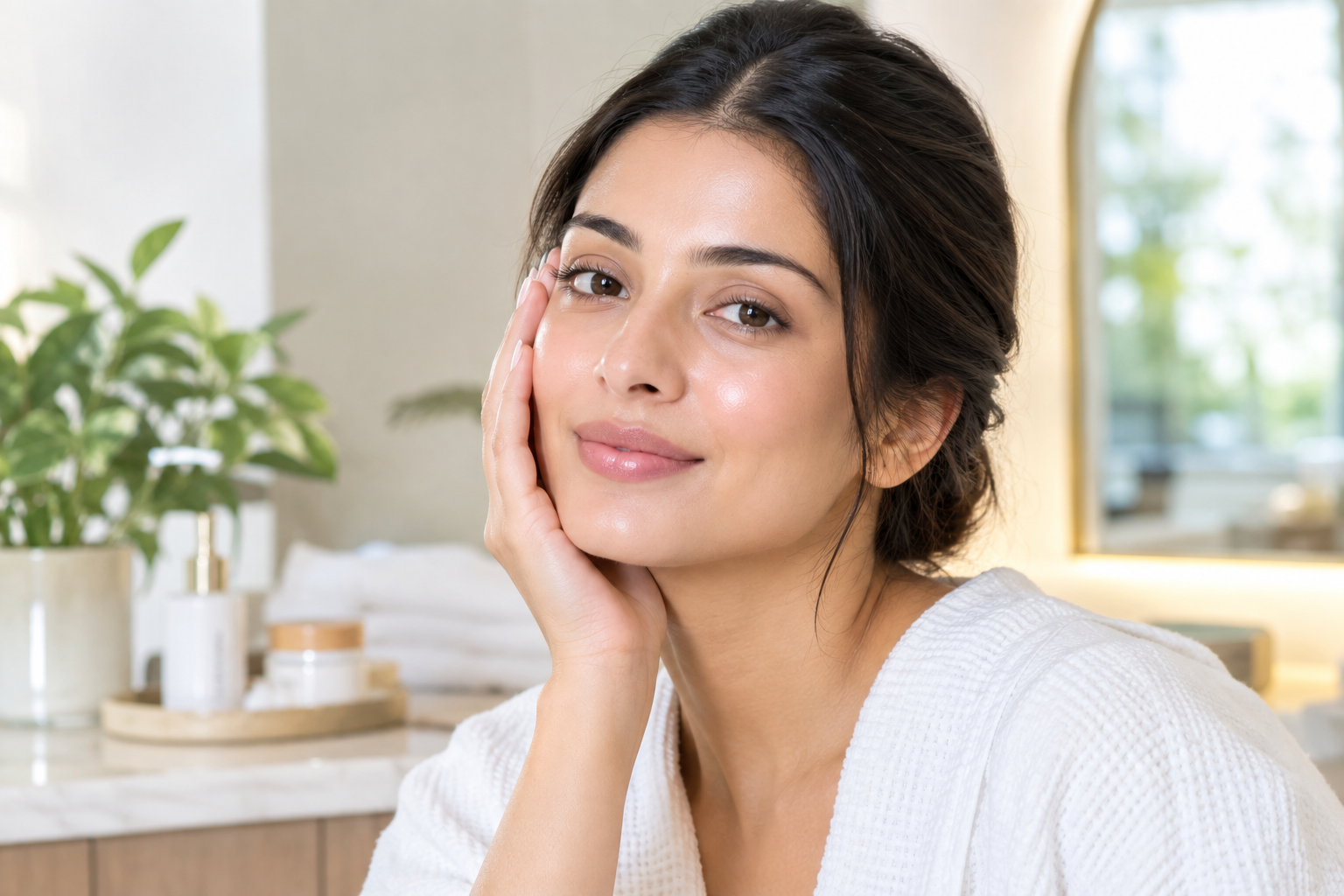
Before embarking on a treatment journey, it is essential to define what we are aiming for. Glass skin is not merely “shiny” skin; it is the result of a perfectly healthy skin barrier and a smooth surface that allows light to reflect evenly.
For the skin to appear glass-like, three factors must align:
- Uniform Texture: The surface must be free of bumps, acne scars, and large pores.
- Intense Hydration: The dermis must be saturated with moisture to give a “plumped” appearance.
- Clarity: There should be no redness, dark spots, or sallow undertones.
Is Glass Skin Realistic for Indian Skin Types?
A common misconception is that the glass skin look is only achievable for those with very fair or East Asian skin. This is far from the truth. However, What Is Glass Skin, and Is It Realistic for Indian Skin Types? The answer is a definitive yes, but the path to achieving it looks different in a South Asian context.
Indian skin is generally richer in melanin, which provides natural protection against UV rays but also makes the skin more prone to post-inflammatory hyperpigmentation (PIH). Additionally, the heat and humidity in Delhi can lead to overactive sebaceous glands, resulting in oily-looking skin rather than dewy skin. At House of Aesthetics, a skin clinic in South Delhi, we customize the glass skin journey to address these specific concerns, focusing on oil control and pigment correction alongside hydration.
Clinical Glass Skin Treatment Delhi: The Professional Edge
While a 10-step Korean glass skin routine can provide temporary surface hydration, it often fails to reach the deeper layers of the skin where real change happens. To achieve a truly reflective glow, medical-grade interventions are required.
1. The Glass Skin Facial (Medical Grade)
Standard facials often rely on superficial massage and steam. In contrast, a clinical glass skin facial at House of Aesthetics involves multi-stage exfoliation and nutrient infusion. Using specialized serums containing hyaluronic acid and antioxidants, we ensure the skin is deeply nourished. This is an ideal dull skin solution for those needing an immediate boost before an event.
2. Advanced Chemical Peels
To achieve that “polished” look, we must remove the buildup of dead skin cells. We offer tailored chemical peel treatments that use alpha-hydroxy acids (AHAs) and beta-hydroxy acids (BHAs) to dissolve the “glue” holding dull cells together, revealing the fresh, translucent skin beneath.
3. Profhilo and Skin Boosters
For those asking how to get that inner glow that doesn’t wash off, skin boosters are the answer. Unlike traditional fillers that add volume, products like Profhilo act as “internal moisturizers.” They involve injections of pure hyaluronic acid that stimulate collagen and elastin, providing a level of hydration that no topical cream can match. You can learn more about this in our guide on Profhilo vs Dermal Fillers.
4. HydraFacial MD
This is perhaps the most popular glass skin treatment Delhi residents opt for. It combines cleansing, exfoliation, extraction, hydration, and antioxidant protection simultaneously. It is particularly effective for Indian skin as it clears out congested pores caused by Delhi’s pollution while flooding the skin with moisture.
| Treatment Type | Primary Benefit | Recommended Frequency |
|---|---|---|
| HydraFacial | Deep cleansing & hydration | Once every 4-6 weeks |
| Chemical Peels | Texture refinement & clarity | Once every 4 weeks (3-6 sessions) |
| Skin Boosters | Long-term luminosity & bounce | 2 sessions, 4 weeks apart |
| Microneedling | Collagen induction & pore reduction | Once every 6 weeks |
Addressing Indian Skin Concerns: Pigmentation and Texture
One of the biggest hurdles to achieving glass skin in India is uneven skin tone. Melasma and sunspots can break the “glass” illusion. At House of Aesthetics, we prioritize pigmentation treatment in Delhi as a foundational step. By clearing these patches, the skin appears more uniform and capable of reflecting light.
Furthermore, acne scars can create a “pitted” texture that prevents a smooth finish. Dr. Neha Khurana often recommends microneedling for radiant skin to remodel the skin surface and minimize the appearance of pores and scars.
Safety and Aftercare: Maintaining Your Glow
Achieving glass skin is a marathon, not a sprint. Because many clinical treatments involve exfoliation or injections, aftercare is paramount.
- Sun Protection: Indian UV levels are high. Use a broad-spectrum SPF 50 daily to prevent new pigmentation.
- Barrier Support: Use ceramides and fatty acids to keep the skin barrier strong.
- Avoid Over-Exfoliation: While exfoliation is key to glass skin, doing it too often at home can lead to inflammation and sensitivity.
As the best skin hair clinic Delhi, House of Aesthetics ensures every patient receives a personalized post-procedure kit to lock in results and prevent complications.
Frequently Asked Questions
Q1. Is the glass skin look permanent?
No clinical treatment is permanent because the skin is a living organ that constantly sheds and regenerates. However, with regular maintenance sessions every 4-8 weeks, the glass-like appearance can be maintained indefinitely.
Q2. Will these treatments make my skin oily?
No. There is a significant difference between “oily” and “dewy.” Our treatments, especially the glow skin treatment protocols, focus on moisture (water) rather than oil. We often include steps to regulate sebum production for patients with oily skin types.
Q3. Are there any side effects?
Most treatments like HydraFacials have zero downtime. Some advanced peels or injectables may cause slight redness or swelling for 24-48 hours. Dr. Neha Khurana provides a thorough consultation to ensure the chosen treatment is safe for your specific skin history.
Q4. Can I achieve glass skin with just home products?
While a good Korean glass skin routine helps, it often hits a plateau. Clinical treatments provide the deep-level exfoliation and hydration required to achieve the high-shine, translucent finish characteristic of true glass skin.
Conclusion: Start Your Journey at House of Aesthetics
Achieving a luminous, translucent complexion is entirely realistic for Indian skin when the right medical expertise is applied. By addressing unique challenges like environmental pollution and hyperpigmentation, you can move beyond a basic “glow” to the sophisticated brilliance of glass skin.
At House of Aesthetics, Dr. Neha Khurana and her team combine luxury care with advanced clinical science to deliver results that are both visible and sustainable. Whether you are looking for a skin clinic in South Extension Delhi or the latest in glass skin treatment Delhi, we invite you to experience a consultation tailored specifically to your skin’s needs. Your journey to flawless, light-reflecting skin starts with a commitment to professional care.