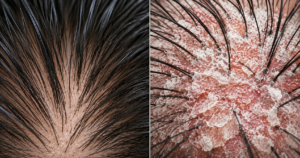
By the time the average person notices their hair is thinning, they have already lost nearly 50% of their hair density in that specific area. This staggering reality often leads to a frantic search for solutions, leaving many caught between two primary contenders: the surgical precision of a transplant and the regenerative power of Platelet-Rich Plasma (PRP). In 2026, the technology behind both options has reached unprecedented levels of efficacy, but choosing the right path requires understanding that these treatments serve very different stages of the hair loss journey.
Key Takeaways
- Suitability: PRP is ideal for early-stage thinning and hair maintenance, while transplants are the gold standard for restoring hair to completely bald areas.
- Procedure Type: PRP is a non-surgical, “lunch-break” injectable treatment; a hair transplant is a minor surgical procedure involving follicle relocation.
- Results Timeline: PRP results are typically visible after 3-4 sessions, whereas transplant results take 6-12 months to fully mature.
- Maintenance: PRP requires ongoing maintenance sessions, while a transplant offers a permanent structural change.
Understanding the Fundamentals: Hair Transplant vs PRP
When debating Hair Transplant vs PRP: Which Is Better for Hair Loss?, it is essential to recognize that one is a restorative surgery and the other is a biological stimulant. At House of Aesthetics, we believe in a science-backed approach where the treatment must match the pathology of the patient’s hair loss.
What is PRP Hair Treatment?
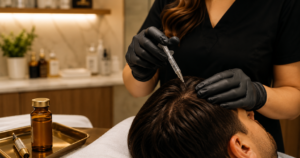
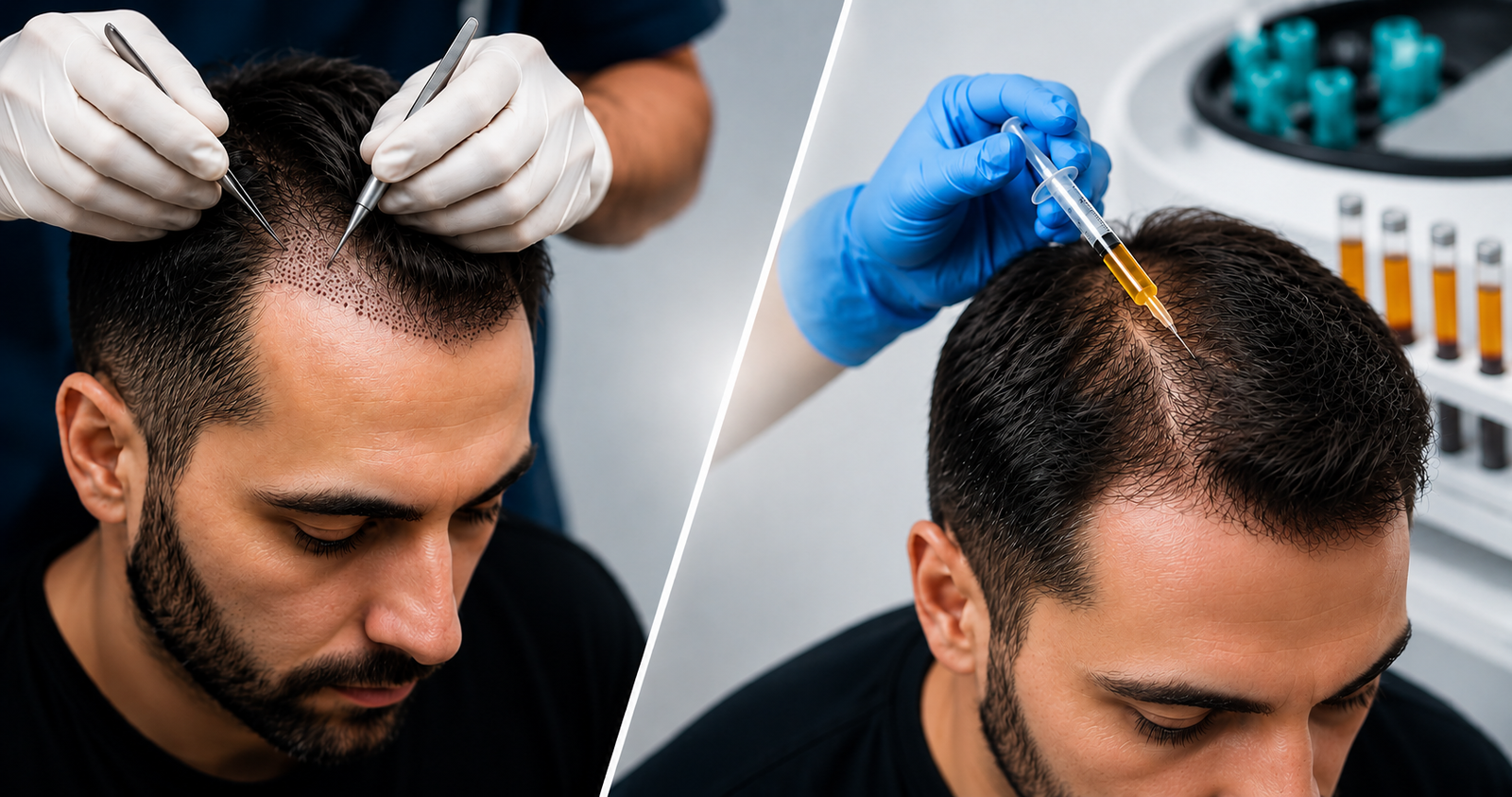
PRP, or Platelet-Rich Plasma, is a non-surgical therapeutic option that uses the patient’s own blood. The blood is processed in a centrifuge to concentrate the platelets, which are rich in growth factors. When injected into the scalp, these growth factors “wake up” dormant follicles, prolong the growth phase of the hair cycle, and increase the thickness of existing hair shafts. This is often the first line of defense for individuals experiencing hair thinning and early-stage shedding.
What is a Hair Transplant?
A hair transplant is a surgical procedure where healthy hair follicles are extracted from a “donor area” (usually the back or sides of the head) and implanted into the thinning or bald “recipient area.” This is a permanent solution for significant hair loss where follicles have completely miniaturized or died. It is the only way to physically move hair to where it no longer grows.
Comparing the Two: Hair Transplant vs PRP: Which Is Better for Hair Loss?
Deciding which treatment is “better” depends entirely on your current hair density and your long-term goals. To help you navigate this choice, we have broken down the comparison across several key factors.
1. Effectiveness for Different Stages of Hair Loss
The most critical factor in the Hair Transplant vs PRP: Which Is Better for Hair Loss? debate is the Norwood Scale (for men) or Ludwig Scale (for women), which measures the extent of hair loss.
- PRP is superior for: Early thinning, diffuse hair loss, and preventing further recession. It works best when follicles are still present but producing weak, thin hair.
- Transplant is superior for: Significant recession, visible bald patches, and restoring a hairline. If the scalp is shiny and smooth, PRP cannot “regrow” hair because there are no follicles left to stimulate.
2. The Procedure and Recovery
The experience of undergoing these treatments varies significantly.
- PRP Procedure: A quick 30-minute session involving a blood draw and tiny injections. There is virtually no downtime. Patients can return to work immediately, making it a favorite at our hair treatment clinic Delhi.
- Transplant Procedure: A 4-to-8-hour surgical session. While modern techniques like FUE (Follicular Unit Extraction) are minimally invasive, they still require local anesthesia and a recovery period of 7-10 days for the graft sites to heal.
3. Sustainability and Longevity
- PRP: Think of PRP like “fertilizer” for your scalp. It provides a boost, but the effects are not permanent. To maintain results, patients usually require maintenance sessions every 4 to 6 months.
- Transplant: The transplanted hair is genetically resistant to the hormones that cause balding. Once the grafts take hold, the results are permanent. However, it does not stop the original non-transplanted hair from falling out, which is why many patients continue hair loss treatments in South Delhi even after surgery.
Quick Comparison Table
| Feature | PRP Therapy | Hair Transplant |
|---|---|---|
| Invasiveness | Non-Surgical | Minimally Invasive Surgery |
| Downtime | Zero | 7 to 10 Days |
| Initial Results | 3 Months | 6 to 12 Months |
| Permanence | Requires Maintenance | Permanent |
The Role of Dr. Neha Khurana and House of Aesthetics
Navigating hair restoration requires an expert eye. At House of Aesthetics, led by Dr. Neha Khurana, we prioritize a “Natural First” philosophy. As a leading dermatologist in South Delhi, Dr. Khurana meticulously evaluates the health of your scalp before recommending a path.
Our aesthetic clinic Delhi utilizes advanced diagnostic tools to check follicle viability. For many patients, the answer to Hair Transplant vs PRP: Which Is Better for Hair Loss? is actually “both.” Using PRP before and after a transplant can improve graft survival rates and speed up the healing process, providing a denser, more natural-looking result.
Who is the Ideal Candidate for Each?
You are a prime candidate for PRP if:
- You are in the early stages of androgenetic alopecia.
- You have noticed a decrease in hair volume but still have coverage.
- You prefer a non-surgical, needle-based approach without downtime.
- You want to improve the results of other advanced skin treatments.
You are a prime candidate for a Hair Transplant if:
- You have distinct bald spots or a significantly receded hairline.
- You have a healthy “donor area” with thick hair at the back of the head.
- You are looking for a one-time permanent solution.
- Medical therapies (like Minoxidil or Finasteride) have failed to regrow hair in bald areas.
Safety and Aftercare
Both procedures are remarkably safe when performed in a sterile, professional environment like House of Aesthetics.
For PRP hair treatment Delhi, aftercare is minimal. We advise patients to avoid washing their hair for 24 hours and to stay away from harsh chemical treatments for a few days.
For a hair transplant in Delhi, aftercare is more intensive. Patients must sleep at an elevation for a few nights, avoid touching the grafts, and use specialized shampoos provided by our clinic. Dr. Neha Khurana’s team provides a comprehensive post-op kit to ensure that every follicle has the best chance of thriving.
Why a Holistic Approach Wins
Hair loss is often multifaceted. While we focus on treatments like PRP and transplants, we also look at underlying factors. Our clinic is known as the best skin doctor destination because we address the “why” behind the hair fall, be it stress, nutrition, or hormonal imbalances. Sometimes, combining clinical treatments with topical solutions or even mesotherapy yields the most transformative outcomes.
FAQ: Common Concerns About Hair Restoration
Q1. Is PRP painful?
Most patients describe it as a mild pinching sensation. At House of Aesthetics, we use specialized fine-gauge needles and cooling techniques to ensure maximum comfort.
Q2. How many PRP sessions do I need?
We generally recommend an initial block of 3 to 4 sessions, spaced about a month apart, to see significant results in hair density and quality.
Q3. Can a hair transplant look fake?
In the hands of an unskilled technician, yes. However, Dr. Neha Khurana focuses on artistic hairline design and natural graft placement, ensuring the results are indistinguishable from your natural hair.
Q4. What is the cost difference?
PRP is significantly more affordable per session than a transplant. However, over several years, the cost of maintenance PRP can approach the cost of a surgical procedure. We provide transparent pricing during your consultation at our skin clinic in South Delhi.
Will my hair keep falling out after a transplant?
The transplanted hair will stay, but your native hair can still be affected by male or female pattern baldness. This is why we often recommend a combination of a transplant for structure and PRP for maintenance.
Conclusion
When weighing Hair Transplant vs PRP: Which Is Better for Hair Loss?, there is no universal winner, only the right choice for your specific stage of hair thinning. PRP remains a powerhouse for preservation and thickening, while a hair transplant is the ultimate tool for architectural restoration.
If you are tired of seeing more hair in the drain than on your head, it is time for a professional assessment. House of Aesthetics, under the expert guidance of Dr. Neha Khurana, offers a premium clinical environment where science meets aesthetics. Whether you need the regenerative boost of PRP hair treatment Delhi or the transformative power of a transplant, we are here to help you reclaim your confidence.
Schedule your personalized consultation at House of Aesthetics today and take the first step toward a fuller head of hair.