When sudden, itchy welts erupt across your skin, it can be a source of significant discomfort and anxiety. This common skin reaction, known as urticaria or hives, affects approximately 20% of people at some point in their lives. While often benign and transient, understanding Urticaria (Hives): Causes, Triggers & When It’s a Medical Emergency is crucial for effective management and knowing when to seek urgent medical attention. At House of Aesthetics, a leading aesthetic clinic Delhi, we believe in empowering our clients with accurate, medically sound information to navigate various skin concerns, ensuring their health and well-being.
Key Takeaways
- Urticaria, or hives, presents as itchy, red, raised welts on the skin that can appear and disappear quickly.
- Common causes and triggers include allergens, infections, stress, physical stimuli, and certain medications.
- Chronic urticaria persists for six weeks or more and often requires a thorough diagnostic approach.
- While most cases are mild, severe symptoms like difficulty breathing, swallowing, or dizziness indicate a medical emergency requiring immediate attention.
- Accurate diagnosis and personalized urticaria treatment are essential for managing symptoms and improving quality of life.
What is Urticaria (Hives)?
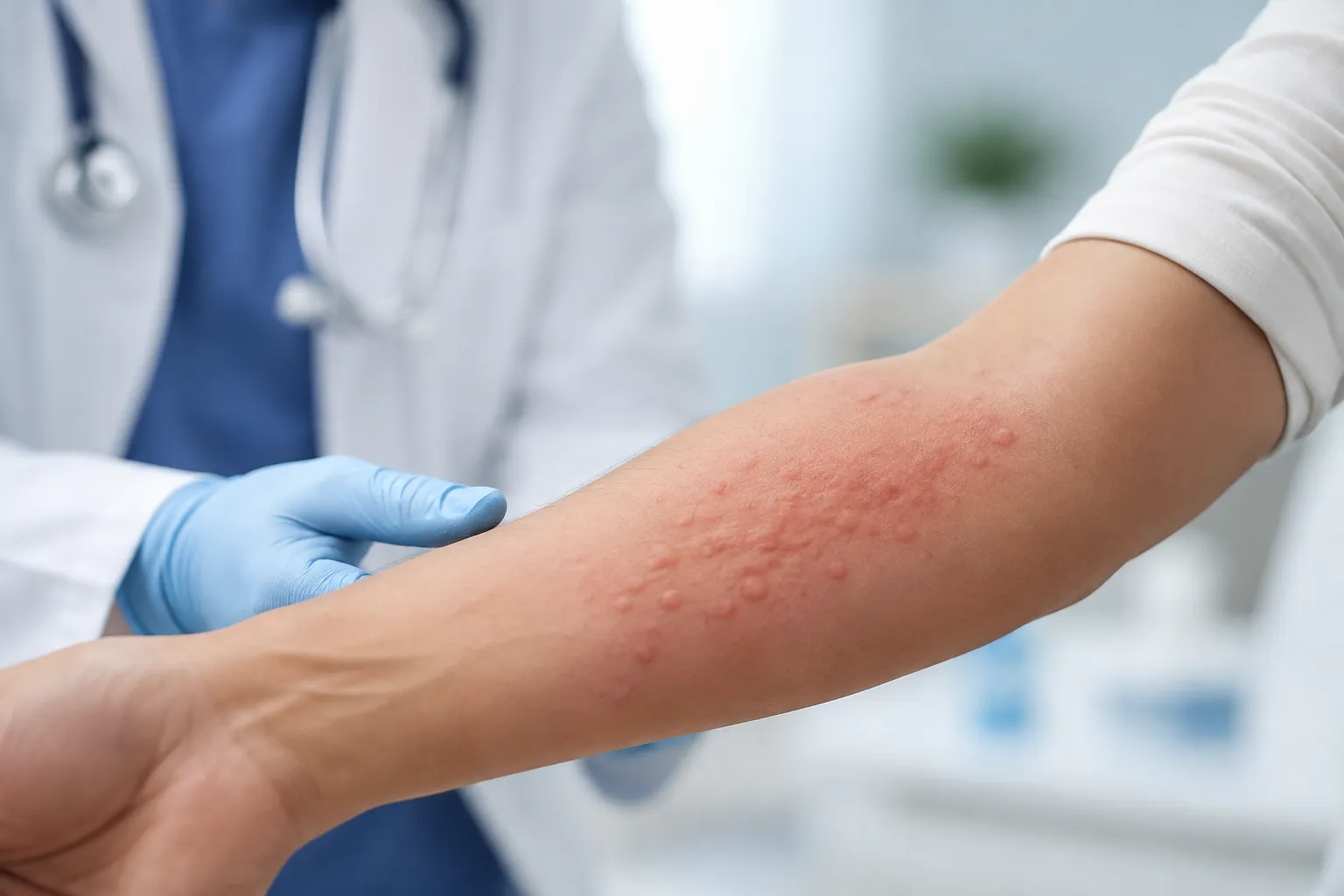
Urticaria, commonly referred to as hives, is a skin reaction characterized by the sudden appearance of itchy, raised welts (wheals) on the skin’s surface. These wheals can vary in size from small spots to large patches, appearing anywhere on the body. They are typically red or skin-colored, surrounded by a red flare, and blanch (turn white) when pressed. A hallmark of hives is their transient nature; individual welts often appear, fade within 24 hours, and then new ones emerge elsewhere. This dynamic presentation is key to distinguishing urticaria from other skin conditions.
Delving into the Causes and Triggers of Urticaria (Hives)
Understanding the underlying causes and triggers is paramount in managing urticaria effectively. The skin reaction occurs when mast cells, immune cells found in the skin, release histamine and other chemicals into the bloodstream. This causes small blood vessels to leak fluid, leading to swelling and itching.
Allergic Reactions
One of the most common causes of acute urticaria is an allergic reaction. This happens when the immune system overreacts to a harmless substance.
Common allergens include:
- Foods: Shellfish, nuts, eggs, milk, soy, and wheat are frequent culprits. Pay close attention to any foods that trigger acne, as dietary sensitivities can impact skin health broadly.
- Medications: Nonsteroidal anti-inflammatory drugs (NSAIDs) like ibuprofen, antibiotics (especially penicillin), and blood pressure medications are known to trigger hives.
- Insect Bites or Stings: Reactions to bee stings, mosquito bites, or other insect venom.
- Pet Dander and Pollen: Environmental allergens that can also trigger respiratory symptoms.
- Latex: Contact with latex products can cause allergic urticaria.
Non-Allergic Triggers
Not all cases of urticaria are due to allergies. Many factors can cause mast cells to release histamine without an allergic immune response.
- Infections: Viral infections (like the common cold, flu, or hepatitis), bacterial infections (such as strep throat), and parasitic infections can all provoke hives.
- Physical Stimuli:
- Dermographism: Hives appear where the skin is stroked or scratched.
- Cold-induced urticaria: Triggered by exposure to cold temperatures, like cold water or air.
- Heat-induced urticaria: Triggered by heat exposure.
- Pressure urticaria: Hives appear in areas of sustained pressure, like from tight clothing.
- Solar urticaria: Caused by exposure to sunlight.
- Vibratory urticaria: Rare, triggered by vibration.
- Stress and Emotional Factors: High levels of stress or anxiety can exacerbate or even trigger episodes of urticaria. Managing stress is important for overall skin health, and can also impact conditions like hair fall in women and dark circles.
- Systemic Diseases: Autoimmune conditions (e.g., lupus, thyroid disease), certain cancers, and other underlying medical issues can manifest as chronic urticaria.
- Exercise: Cholinergic urticaria is triggered by an increase in body temperature, often during exercise.
- Alcohol and Caffeine: These can sometimes act as non-specific triggers.
Chronic Urticaria: Persistent Hives
When hives persist for six weeks or longer, and recur frequently, the condition is classified as chronic urticaria. Unlike acute urticaria, which often has an identifiable cause, chronic urticaria can be challenging to diagnose.
Idiopathic Chronic Urticaria
In many cases of chronic urticaria, no specific cause is identified, leading to a diagnosis of chronic idiopathic urticaria (CIU) or chronic spontaneous urticaria (CSU). This means the hives appear spontaneously without an obvious external trigger. While frustrating, it does not mean the condition is untreatable.
Autoimmune Urticaria
A significant portion of chronic idiopathic urticaria cases are thought to be autoimmune in nature, where the body’s immune system mistakenly attacks its own healthy tissues, including mast cells.
Urticaria (Hives): When It’s a Medical Emergency
While most cases of urticaria are mild and resolve on their own or with antihistamines, certain symptoms warrant immediate medical attention. Knowing when hives signal a medical emergency can be life-saving.
Anaphylaxis: A Severe Allergic Reaction
The most critical concern with hives is anaphylaxis, a severe, potentially life-threatening allergic reaction. Anaphylaxis is characterized by hives accompanied by any of the following symptoms:
- Difficulty breathing: Wheezing, shortness of breath, a feeling of tightness in the chest or throat.
- Swelling of the throat, tongue, or lips (Angioedema): This can obstruct airways and make swallowing difficult.
- Dizziness, lightheadedness, or fainting: Due to a sudden drop in blood pressure.
- Rapid pulse.
- Nausea, vomiting, abdominal pain, or diarrhea.
- Confusion or a sudden feeling of dread.
If you or someone you know experiences hives with any of these symptoms, seek emergency medical care immediately. Call emergency services or go to the nearest emergency room.
Angioedema: Deeper Swelling
Angioedema is a related condition to urticaria, involving swelling in the deeper layers of the skin, often around the eyes, lips, genitals, hands, or feet. While hives affect the superficial layers, angioedema causes more significant, sometimes painful, swelling. If angioedema affects the throat or tongue, it can lead to airway obstruction and is a medical emergency.
Diagnosis and Treatment Options for Urticaria (Hives)
At House of Aesthetics, your journey to clearer, healthier skin begins with a precise diagnosis. Dr. Neha Khurana, our top dermatologist in Delhi, performs thorough consultations to identify the type of urticaria and its potential triggers.
Diagnostic Process
- Detailed Medical History: Dr. Khurana will inquire about the onset, duration, frequency, and characteristics of your hives, as well as any associated symptoms, medications, or lifestyle factors.
- Physical Examination: A careful examination of your skin to assess the nature of the welts and any signs of angioedema.
- Allergy Testing: If an allergic trigger is suspected, skin prick tests or blood tests (IgE specific antibody tests) may be recommended.
- Blood Tests: To rule out underlying infections, autoimmune conditions, or other systemic diseases.
- Biopsy: Rarely, a skin biopsy may be performed to differentiate urticaria from other inflammatory skin conditions.
Treatment Strategies
The goal of urticaria treatment in Delhi at House of Aesthetics is to alleviate symptoms, prevent recurrence, and improve your quality of life.
- Antihistamines: First-line treatment, modern non-drowsy antihistamines effectively block histamine release and reduce itching and swelling. Higher doses may be prescribed for chronic cases.
- Corticosteroids: For severe acute flare-ups, a short course of oral corticosteroids may be used to quickly reduce inflammation.
- Omalizumab (Xolair): For chronic spontaneous urticaria that does not respond to antihistamines, omalizumab injections can be highly effective. This biologic medication targets IgE antibodies, reducing mast cell activation.
- Immunosuppressants: In some persistent cases, other immunosuppressive medications may be considered under strict medical supervision.
- Trigger Avoidance: Once triggers are identified, avoiding them is crucial. This might involve dietary changes, avoiding certain medications, or managing exposure to physical stimuli.
- Lifestyle Modifications: Stress management, wearing loose clothing, and cool compresses can help alleviate discomfort.
- Personalized Care: As the best aesthetic clinic in Delhi, we emphasize personalized treatment plans tailored to your specific condition and lifestyle. Dr. Neha Khurana, a top skin doctor, ensures each client receives comprehensive care.
If you are struggling with persistent hives or frequent skin rashes, seeking expert advice from a leading cosmetic clinic Delhi like House of Aesthetics is crucial. Our team offers advanced skin treatments and medically guided procedures designed to provide effective and lasting solutions.
Conclusion
Urticaria (hives) can range from a minor annoyance to a life-threatening emergency. Understanding its diverse causes, triggers, and the warning signs of severe reactions is vital. While many acute cases resolve spontaneously, chronic urticaria often requires expert intervention and a tailored treatment approach. At House of Aesthetics, renowned as a premier skin clinic in South Delhi, we provide comprehensive diagnostic and treatment services for urticaria, ensuring you receive the highest standard of care. Dr. Neha Khurana and our team are dedicated to helping you achieve and maintain optimal skin health, offering effective solutions that enhance your natural beauty and well-being. Do not hesitate to schedule a consultation with the best dermatologist in Delhi to discuss your skin concerns and explore personalized treatment options available in 2026.