
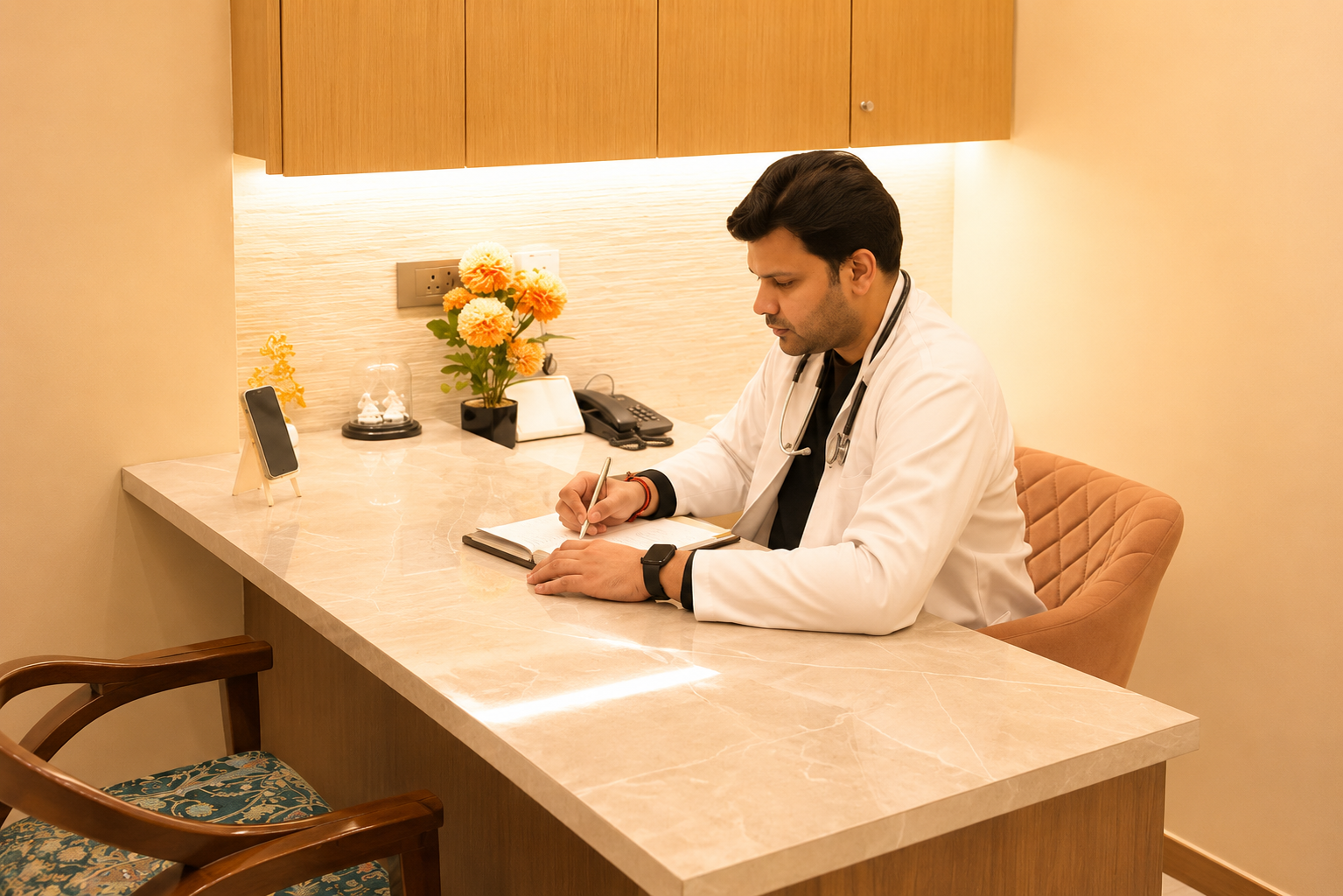
Mental wellness concerns — anxiety, stress, OCD, low mood — often get delayed longer than physical health concerns, partly because it’s harder to know what “getting help” actually involves. If you’re considering seeing a psychiatrist in South Delhi and CBT (Cognitive Behavioral Therapy) has come up as an option, this guide breaks down what the treatment genuinely looks like, so the decision to book that first appointment feels less uncertain.
What CBT Actually Is
Cognitive Behavioral Therapy is a structured, goal-oriented form of therapy based on the idea that thoughts, feelings, and behaviors are interconnected — and that changing unhelpful thought patterns can meaningfully change how you feel and act. Unlike open-ended talk therapy, CBT tends to be more structured, often involving specific exercises, homework between sessions, and measurable goals tracked over time.
It’s widely used for anxiety, depression, OCD, and stress-related conditions, and is considered one of the more evidence-backed therapeutic approaches for these concerns.
What a First Session With a Psychiatrist Typically Involves
A first consultation is rarely about diving straight into treatment. It usually covers:
- A detailed history of your symptoms, when they started, and what tends to trigger them
- Understanding your daily routine, stressors, and support systems
- Ruling out any physical health factors that could be contributing (sleep issues, thyroid conditions, and similar factors are often checked)
- Discussing whether therapy alone, medication, or a combination fits your specific situation
At House of Aesthetics, this first assessment with Dr. Ashish Bansal is designed to be thorough rather than rushed, since an accurate initial picture shapes everything that follows.
How CBT Sessions Progress Over Time
Early Sessions: Identifying Patterns
The first few sessions typically focus on identifying specific thought patterns and behaviors linked to your symptoms — for example, recognizing the exact thoughts that trigger an anxiety spiral, rather than treating “anxiety” as one vague, undifferentiated experience.
Middle Sessions: Building New Responses
Once patterns are identified, sessions shift toward practicing alternative responses — reframing unhelpful thoughts, gradual exposure to avoided situations (particularly relevant for OCD or specific phobias), and building coping strategies that get tested in daily life between sessions.
Later Sessions: Consolidation
As symptoms improve, sessions often space out, focusing on maintaining progress and preparing for situations that might otherwise trigger a relapse into old patterns.
The exact timeline varies significantly by condition and individual — some patients see meaningful change within a few months, others need a longer course, and this should be discussed honestly during the initial consultation rather than promised as a fixed number upfront.
The Connection Between Skin and Mental Wellness
This is where House of Aesthetics’ combined model becomes genuinely relevant rather than just a convenient marketing angle. Conditions like stress-triggered acne, hair loss linked to anxiety, and skin-picking behaviors sit at the intersection of dermatology and mental health — and treating only the skin symptom without addressing the underlying stress or anxiety often means the skin issue keeps recurring.
Having Dr. Neha Khuraana (dermatology) and Dr. Ashish Bansal (psychiatry) within the same practice means these cases can be assessed jointly rather than requiring a patient to coordinate between two entirely separate providers who don’t communicate with each other.
What to Look for in a Psychiatrist in South Delhi
- Clear communication about approach — whether therapy, medication, or both are being recommended, and why
- A structured plan — vague reassurance without a defined approach is a signal to ask more questions
- Comfort discussing physical health overlaps — sleep, skin, hormonal factors — since mental health rarely exists in isolation from the rest of the body
- A pace that respects your comfort level — particularly for exposure-based CBT work, which should never feel rushed
Addressing the Stigma Directly
A meaningful barrier for many patients isn’t logistics — it’s discomfort with the idea of seeing a psychiatrist at all. It’s worth naming this directly: seeking help for anxiety, OCD, or persistent stress is a health decision, not a reflection of weakness, and a good clinic should make the process feel as unremarkable as booking any other specialist consultation.
Finding the Right Support in South Delhi
House of Aesthetics, located in South Delhi and accessible from Greater Kailash I and II and neighboring areas, offers psychiatric consultations alongside its dermatology practice specifically so patients don’t have to choose between addressing visible skin concerns and the underlying stress or anxiety that may be driving them.
Related Reading
- Vitiligo Treatment in Delhi: Realistic Timelines
- Best Dermatologist in Greater Kailash: Dr. Neha Khuraana’s Credentials & Approach
The Bottom Line
CBT is a structured, evidence-based approach that works best when paired with an accurate initial assessment and realistic expectations about timeline. If anxiety, stress, or a skin concern that seems connected to your mental wellbeing has been on your mind, House of Aesthetics offers consultations with Dr. Ashish Bansal to talk through what a treatment plan could actually look like for you.